How To Meal Prep Summer Salads For Work
By Lisa Hargrove
There is nothing worse than spending your Sunday afternoon chopping vegetables, only to open your lunch bag on Tuesday and find a soggy, slimy mess. Summer salads are the ultimate work lunch, but they are notoriously tricky to meal prep. Watery tomatoes, warm dressings, and limp greens will ruin your midday break. I am going to walk you through the exact prep method I use every week to keep my salads crisp, my proteins juicy, and my lunch break stress-free.
Quick Answer
To meal prep summer salads that stay fresh for up to five days, you must layer your ingredients vertically in airtight containers and store the dressing separately. Put hearty vegetables and proteins at the bottom, and keep your delicate greens at the very top. Seal them tightly and keep them in the coldest part of your fridge until you head out the door.
Table of Contents
Choose the Right Containers
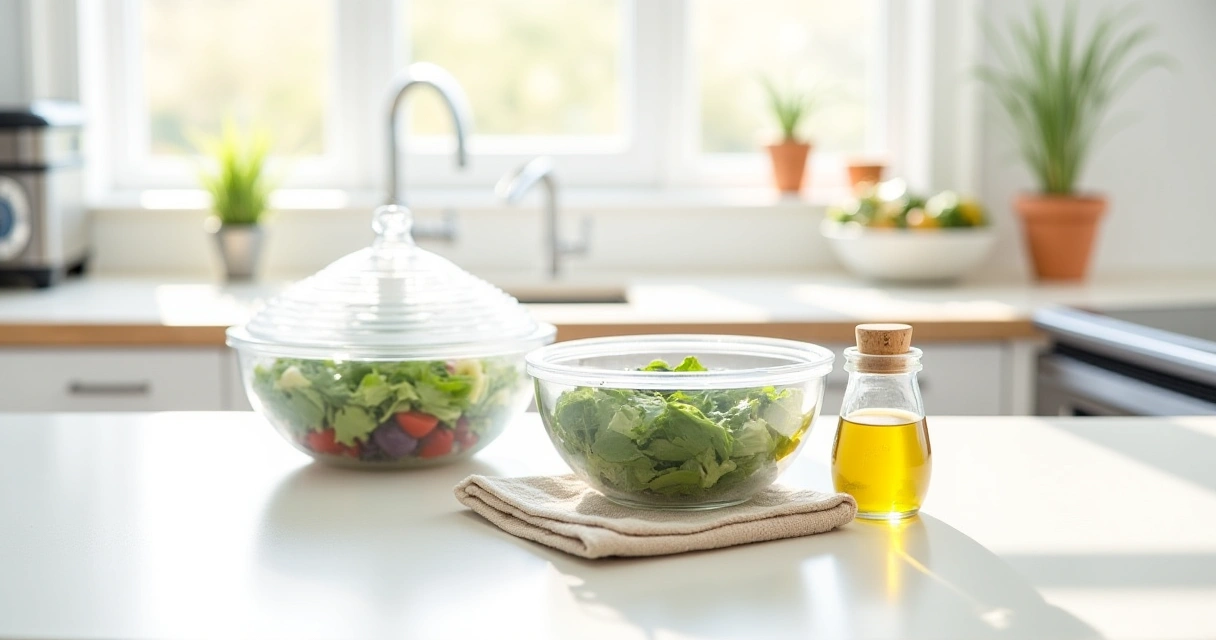
Skip the cheap takeout containers and flimsy plastic boxes. They let in air, which accelerates rot, and they almost always leak dressing all over your work bag. You need airtight, watertight meal prep containers with secure locking lids. I highly recommend the classic rectangular containers with a single divided compartment, or large wide-mouth glass jars.
Wide-mouth mason jars (the 32-ounce or 38-ounce sizes) are the gold standard here. They are completely see-through, stack beautifully in the fridge, and never absorb odors or stains. The straight sides make it easy to get a spoon or fork all the way to the bottom. Plus, they pop right into the dishwasher for effortless cleaning.
The Layering Method
If you take only one thing from this guide, let it be this: stop tossing everything into a bowl and hoping for the best. The secret to a crisp salad is the architectural layering method. Gravity is your friend. You want a clear barrier between your wet ingredients and your dry greens.
Layer one goes on the very bottom. This is where you pour your dressing. Layer two is your heavy, moisture-resistant vegetables like carrots, cherry tomatoes, cucumbers, and bell peppers. Layer three is your protein and grains—think chickpeas, quinoa, or shredded chicken. Layer four is your crisper, like nuts, seeds, or dried fruit. Finally, layer five is your delicate greens. Since they never touch the dressing or the heavy, wet veggies, they stay perky until Friday.
Batch-Cook Your Proteins Fast
A salad without protein is just a side dish. But you do not need to spend hours hovering over the stove. Pull out your air fryer or Instant Pot. These two gadgets are the ultimate meal prep cheat codes for fast, reliable protein.
Cooking chicken breasts in the air fryer takes about 12 minutes at 375 degrees F with zero babysitting. You get a beautiful sear, a juicy interior, and far less mess than pan-frying. Alternatively, use your Instant Pot to batch-cook hard-boiled eggs or perfectly tender shredded chicken in under 20 minutes. Let everything cool completely on a wire rack before adding it to your containers. Warm proteins will create steam in the jar, turning your beautiful lunch into a wilted disaster.
Prep Your Produce for Maximum Crunch
How you cut your vegetables dictates how well they hold up. Whole cherry tomatoes will burst in your mouth with flavor, but sliced tomatoes will weep liquid all week. Keep your cucumbers in large chunks rather than thin slices. Shred your carrots, but leave your radishes whole until the morning of if you can.
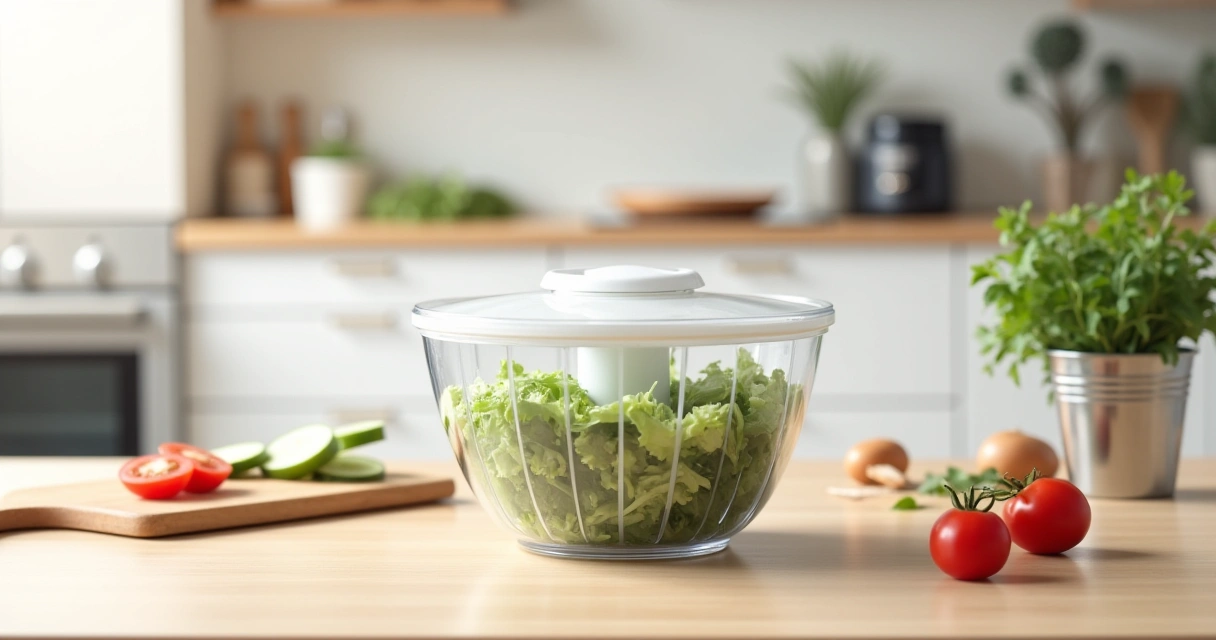
Make sure you thoroughly wash and spin your greens. I use a high-capacity salad spinner every Sunday. If there is one gadget worth the counter space for salad prep, it is this. Damp greens rot quickly. Once spun, lay the leaves out on a clean kitchen towel and pat them completely dry before packing them into your containers.
Shake Up Easy Dressings
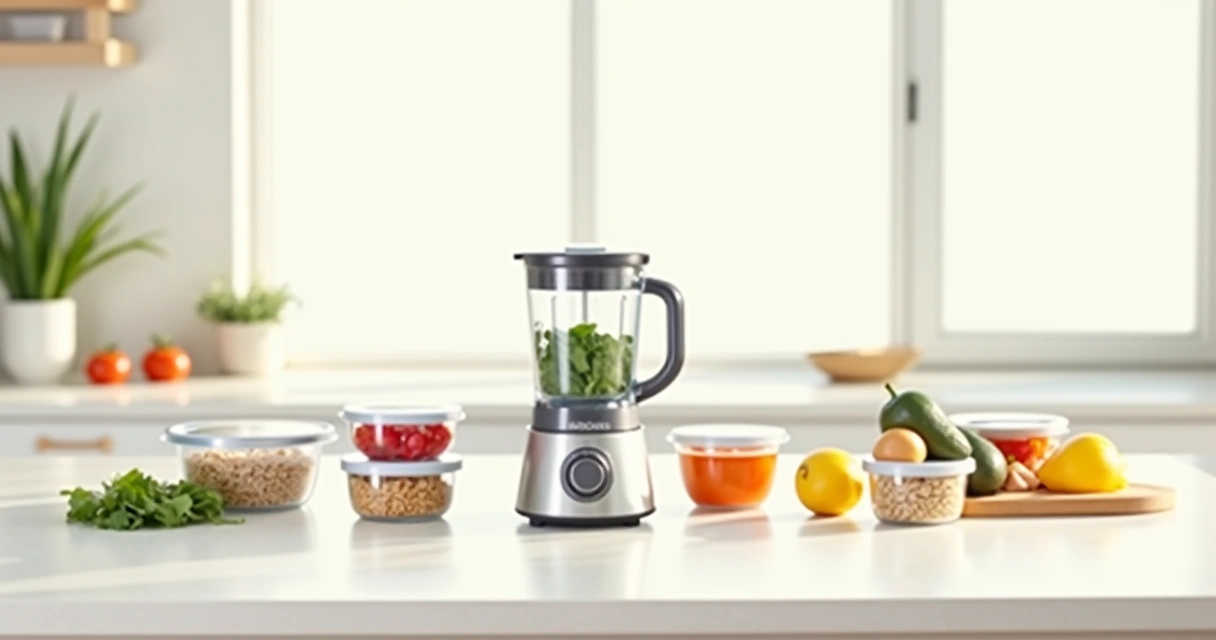
Bottled dressings are convenient, but they are often packed with sugar and thickeners that separate or get gummy in the fridge. Plus, making your own takes literally two minutes. Pull out a small blender or a food processor to emulsify your ingredients. A quick blast in a bullet blender perfectly marries oil, vinegar, mustard, and herbs into a creamy, restaurant-quality dressing.
Store your dressings in small, leak-proof sauce containers or tiny 4-ounce mason jars. Keep them out of the main salad container. When lunchtime rolls around at your desk, just dump the dressing over the salad, put the lid back on, and give the whole thing a vigorous shake. It distributes the flavor perfectly without needing a separate mixing bowl.
Frequently Asked Questions
How long do meal prepped salads actually last?
When built using the layering method and stored in airtight containers, most salads will stay perfectly fresh for four to five days. The key is keeping the greens and the dressing completely isolated from each other.
Can I use frozen vegetables for meal prep salads?
Skip them for raw salads. Frozen vegetables release too much water as they thaw, resulting in a watery, mushy texture. Stick to fresh, sturdy vegetables for the best crunch and longevity.
What is the best lettuce for prepping ahead?
Hearty greens are your best bet. Kale, spinach, and romaine will easily outlast a full work week. Avoid tender greens like spring mix or butter lettuce, as they bruise easily and turn slimy by Wednesday.
Do I need to wash pre-washed bagged lettuce?
Yes. I always give bagged lettuce a quick rinse and a run through the salad spinner. It removes residual dirt and ensures the leaves are perfectly crisp. The spinner is worth the effort.
Can I prep pasta salads or grain bowls using this same method?
Absolutely. Quinoa, farro, and cold pasta are incredibly durable. In fact, grain-based salads often taste even better as the week goes on because the grains absorb the flavors of the dressing.
Stop settling for sad, soggy desk lunches. By investing in a few smart, airtight containers and using the layering method, you can easily meal prep summer salads for work that stay crisp and satisfying all week long. Grab your salad spinner, fire up your air fryer to batch-cook some chicken, and build your jars today. You will save money, save time, and actually look forward to your lunch break.