How to Choose the Right Recipe Books
How to Choose the Right Recipe Books
If you’re serious about upgrading your cooking without wasting time or money, selecting the right recipe book is your first step. A good book isn’t just about pretty pictures; it’s a tool that helps you streamline meal prep, improve your skills, and avoid the flop factor. With dozens of options out there, knowing what to look for can save you hours in the kitchen and frustration on busy weeknights.
Think of your recipe book collection as an extension of your kitchen tools. The right book will fit your skill level, align with your goals, and make you want to cook more often. Here’s how to pick the perfect one — quickly and confidently.
Table of Contents
Know Your Cooking Style & Goals
First, get clear on what you want from a recipe book. Are you a beginner looking to master the basics? Or an experienced home cook trying to optimize weeknight meals? Want plant-based dishes, quick weeknight dinners, or baked goods? A book that matches your style saves you time parsing complex techniques you won’t use.
If you’re into meal prep, choose books that focus on batch cooking and make-ahead meals. If you want to build skills, look for books that include clear instructions with step-by-step photos. Knowing your goals helps narrow down the options from hundreds to just a handful—the ones you’ll actually use and trust.
Focus on Clarity and Durability
A well-printed, sturdy book not only lasts longer but also makes cooking more enjoyable. Avoid flimsy paperbacks or books with tiny, blurry photos. You’ll flip through these dozens of times, so look for a hardcover or durable binding. Clear, practical layouts make following recipes faster—big font, simple ingredient lists, and highlighted steps.
Consider Your Equipment & Coverage
Your kitchen gear dictates what recipes you can actually make. If you don’t have an air fryer, a cookbook heavy on air-fryer recipes isn’t your best bet. Instead, choose books that fit your current equipment but also inspire upgrades down the line. Also, check if the book covers the cuisines or dietary needs you care about—gluten-free, vegan, instant pot, whatever.
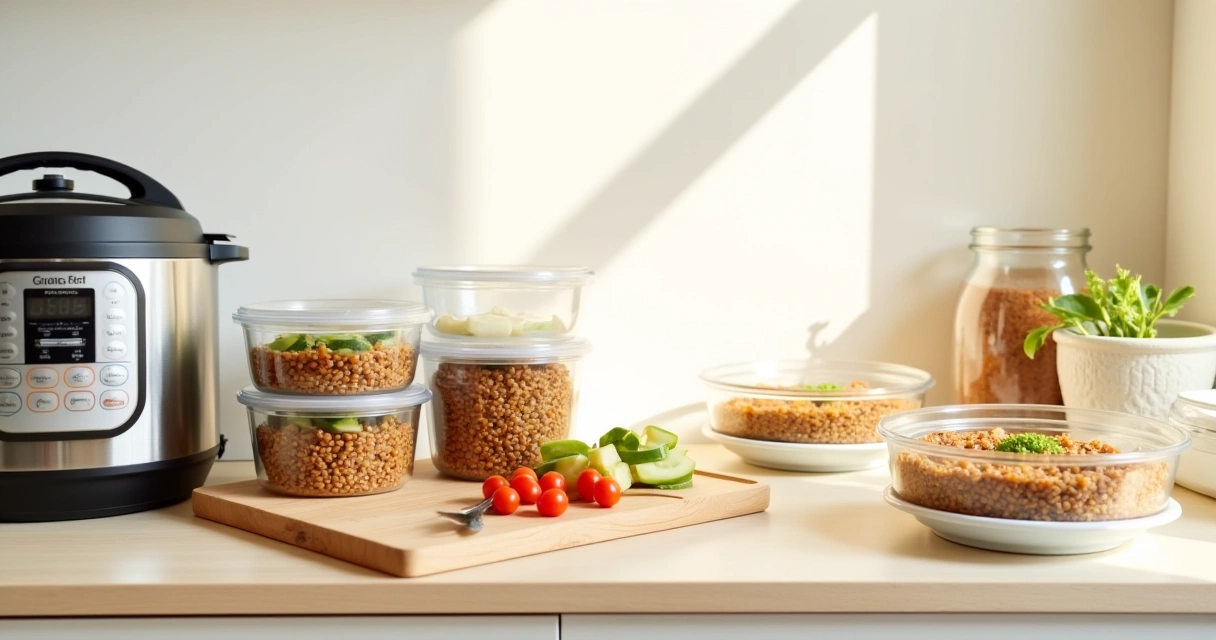
Combine this with your food storage and meal prep tools in mind. For example, recipes that use pantry staples and pack well for leftovers save time on shopping and prep.
Assess Updated & Reliable Content
Kitchen techniques evolve. Look for recipe books published within the last five years for cutting-edge tips and ingredient updates. Check reviews for accuracy—nothing worse than a recipe that’s off because it’s outdated or poorly tested. Recipes with tested tips, common-sense notes, and troubleshooting help you avoid wasting ingredients and time.
Also, prefer authors with practical culinary experience and a reputation for reliable recipes. That saves you from trial-and-error with formulas that don’t work.
Browse for Practicality and Approach
Not all cookbooks are created equal. Some lean into fancy, multi-step dishes that sound good but aren’t everyday friendly. Others focus on quick, simple meals that get dinner on the table fast. Think about the tone—do you prefer straightforward instructions or more culinary storytelling? Your preference impacts your motivation and confidence in the kitchen.
Check if the recipes include prep times, serve sizes, and a troubleshooting section. These features are invaluable for busy cooks who want reliable results without fussing.
Questions to Ask Before You Buy
Does this book match my skill level?
For beginners, look for books that emphasize foundational skills, step-by-step instructions, and photos. Advanced cooks should opt for recipe collections that challenge and expand techniques.
Is this content current and relevant?
Check the publication date and reviews. Outdated tips or ingredients can throw you off—stick with recent editions or popular new releases.
Does it cover my preferred cuisines or dietary needs?
Be specific—if you’re plant-based, find books dedicated to vegan meals. If you want global flavors, check for diverse recipes that match your palate.
Are the recipes tested and reliable?
Look for mentions of testing or endorsements from trusted sources. Reliable recipes save ingredients and frustration.
Is the layout user-friendly?
Are ingredients listed clearly? Are steps easy to follow? Books with big fonts and plenty of photos reduce confusion and speed up cooking.
Does the book add ongoing value?
Consider supplementary features—meal ideas, prep tips, storage advice—that help you maximize your time and effort in the kitchen.
Conclusion
Choosing the right recipe book isn’t about chasing the newest bestseller; it’s about matching your cooking style, equipment, and goals with content that’s practical, clear, and reliable. Focus on durability, relevance, and approachability, and you’ll turn any recipe book into a trusted kitchen partner. Start with one that checks your boxes, and watch your meal prep become faster, easier, and more satisfying.
Your next favorite recipe book is waiting—pick it with purpose, and get cooking!