How to Choose the Right Food Storage
How to Choose the Right Food Storage
Your food storage setup can make or break your meal prep game. It's not just about keeping leftovers; it’s about minimizing waste, saving time, and making your kitchen run smoothly. When you invest in the right containers, your entire cooking process improves—from prep to plating and beyond.
If you’re tired of digging through mismatched lids or dealing with containers that stain or warp, this guide is for you. Let’s cut through the noise and focus on what truly works in a busy kitchen.
Table of Contents
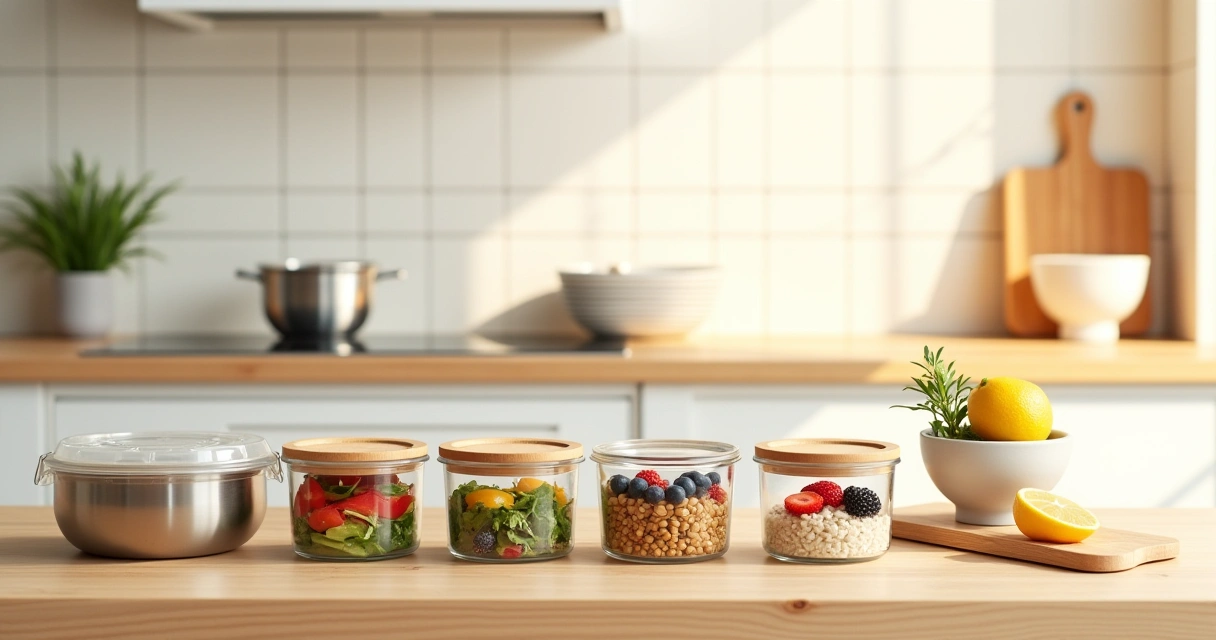
Material Matters: Plastic, Glass, Stainless Steel
Your choice of storage material affects everything—from microwave safety to stain resistance. Plastic containers light up your cabinet and are often cheaper but can stain, warp, or retain smells. Look for BPA-free, dishwasher-safe plastics that are vented or have secure lids.
Glass storage is a clear winner for food safety and odor neutrality. They’re sturdy, microwave-friendly, and don’t stain, but they’re heavier and prone to breakage. Use them for prepping salads or storing sauces, and keep a few on hand for everyday use.
Stainless steel storage is durable and super long-lasting—great for snacks and kids’ lunches. They’re often more expensive but won’t stain or warp. If you want something ultra-tough that won’t break, invest here for daily use.
Size & Shape Options for Every Need
Choose containers based on what you’re storing. Small ½-cup sizes are perfect for herbs and lunch snacks. Medium containers (1-2 cups) work for leftovers, while large ones (4+ cups) handle bulk batches or roasts.
Shapes matter, too. Rectangular and square containers maximize space in your fridge and freezer—they stack neatly and don’t waste space. Round containers are good for soups and smoothies but can be wasted space-wise in tight storage. Think about your typical meals and plan accordingly.
Tip: If you batch prepare grains or roasted veggies, opt for stackable, uniformly shaped containers—less fuss, more efficiency.
Airtight Sealing and Leak-Proof Designs
Nothing’s more frustrating than spilled yogurt or soggy sandwiches. Prioritize containers with secure, leak-proof lids—silicone seals are a game changer. These keep your food fresh longer and prevent leaks during transport.
Look for lids with snap-locks or clips—easy to open but secure enough to handle movement in your bag or fridge. This is especially important if you’re meal prepping for work or kids’ lunches.
Stackability & Storage Efficiency
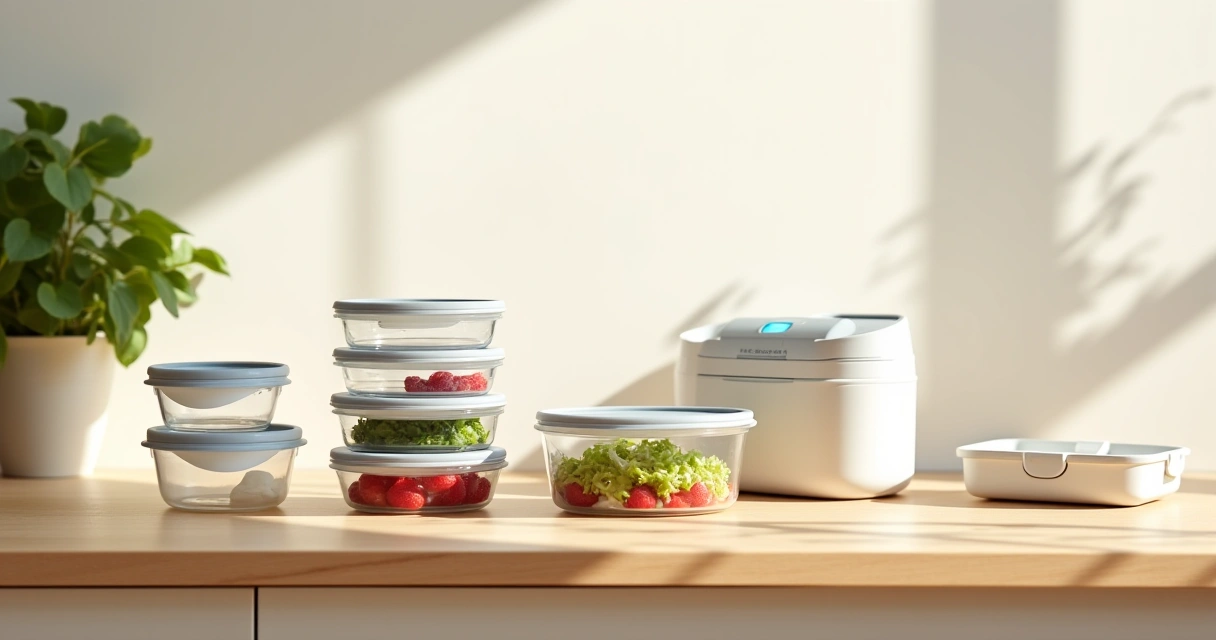
Your cabinets and fridge are small spaces. Containers that stack easily save tons of room. Uniform sizes and shapes are your best friends here. Look for modular sets that nest neatly when empty.
Some containers come with removable, stackable trays or cubbies—perfect for organizing small items like chopped veggies or nuts. Use vertical stacking to make the most of every inch.
Tip: Clear containers with visible contents save you time searching—no more opening everything to find that last bit of cooked chicken.
Durability & Ease of Cleaning
You don’t want your storage to become a chore. Go for dishwasher-safe options, especially if you prep in bulk. Avoid brittle plastics that crack or stain easily. Glass and stainless steel are incredibly durable—think years, not months.
Round containers tend to clean easier than oddly shaped ones—fewer corners, fewer crumbs hiding. Avoid containers with complex lids or seals that trap gunk.
Specialty Storage Solutions
Consider vacuum-seal bags or under-vacuum containers for long-term storage of dried grains, beans, or even cooked meat. They save space and extend shelf life.
Silicone stretch lids are a flexible, eco-friendly way to cover bowls or halve melons—no more plastic wrap waste. Use modular fridge drawers or tiered racks for fruits and vegetables to keep produce fresh longer.
For added convenience, invest in stackable, portion-sized containers for snacks and nuts—keeps everything organized and ready to grab.
Frequently Asked Questions
What’s the best material for microwave leftovers?
Glass containers with tight lids are safest—they won’t warp or stain in the microwave. Avoid plastics unless labeled microwave-safe.
How do I prevent staining from sauces or curry?
Use glass or durable plastic containers with removable lids. Rinse immediately after use, and occasionally give them a soak in baking soda or vinegar to keep stains at bay.
Are stackable containers really worth it?
Absolutely. They cut down fridge and cabinet clutter, making meal prep and storage faster and less stressful. Just ensure they’re sturdy and uniform for best results.
How should I store leftovers for quick reheating?
Opt for microwave-safe glass or some plastics. Keep portioned containers ready for quick meals—less fuss, less waste.
Can I use the same containers for fridge and freezer?
Yes, but check the material—glass or certain plastics are freezer safe. Also, leave some headspace for expansion if freezing liquids or foods.
How do I keep my containers organized long-term?
Label everything with clear, legible markings. Use stacking solutions, and periodically review what you no longer need. Keep a set of durable, high-quality containers for daily use and reserve cheaper options for overflow.
Choosing the right food storage isn’t about fancy gadgets; it’s about clarity, durability, and efficiency. Pick versatile, well-made containers that suit your cooking style, and you’ll notice less wasted time and fewer frustrations in the kitchen. Ready to overhaul your storage game? Start with one complete set of stackable, airtight glass containers—and go from there.