How to Choose the Right Cooking
How to Choose the Right Cooking
Getting the right tools in your kitchen means saving time, reducing frustration, and producing better meals—every single week. But with so many gadgets, cookware, and appliances out there, it’s easy to get overwhelmed or overspend on stuff that doesn’t deliver. The secret? Know what really matters: durability, ease of use, cleaning, and performance that supports your busy life.
Think of your kitchen gear as your workhorse—it should make meal prep faster, easier, and more enjoyable. Today, I’ll walk you through how to pick the best tools so you can cook smarter, not harder.
Table of Contents
Understanding Your Needs
The first step is honest self-assessment. Do you cook daily or just a few times a week? Do you prefer quick, one-pot meals or love experimenting with baking? Knowing your rhythm shapes what gadgets will truly boost your efficiency. If you’re short on time, prioritize versatile appliances like a good blender or an instant pot. If you enjoy batch cooking, invest in durable storage containers and sturdy cookware.
Don’t buy based on trends. Instead, think about what will actually get used often. A high-end nonstick skillet is worth it if you cook eggs daily. A fancy gadget you only try once isn’t a good investment—be ruthless about choosing tools that fit your cooking style and storage space.
Cookware and Essentials
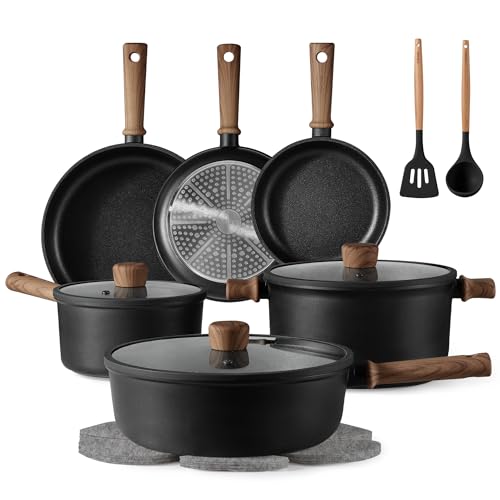
Durability matters more than brand name for pots and pans. Look for sturdy stainless steel or cast iron—they last forever and handle high heat without warping. Nonstick pans? Great for quick cleanup and delicate tasks but don’t overheat them; coating can degrade over time. Choose versatile sizes: a 10-inch skillet, a 3-quart pot, and a larger stockpot or Dutch oven cover most needs.
Key Appliances (Air Fryers, Instant Pots, Blenders)
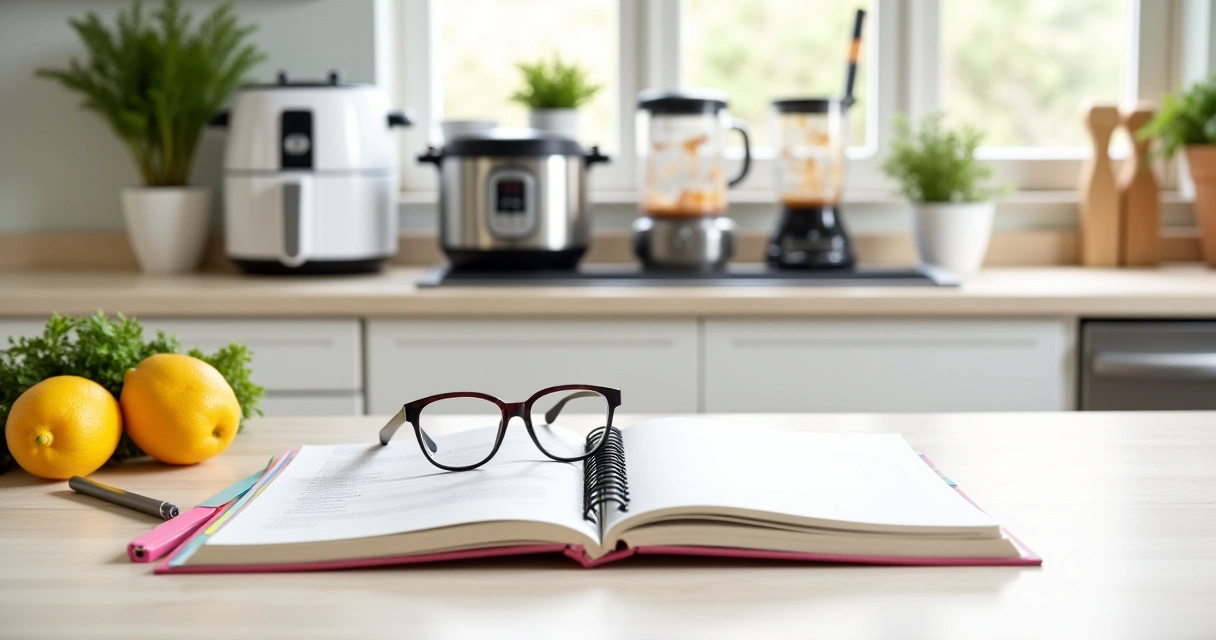
Air fryers are your time-savers for crispy snacks and roasted veggies, but pick one with adjustable temp and good capacity—20-3 quarts works for families. Instant pots are game changers for soups, stews, and even rice; look for models with multiple functions and a sturdy build. Blenders? A powerful, easy-to-clean model turns smoothies, soups, and sauces into quick wins.
Food Storage & Cooking Accessories
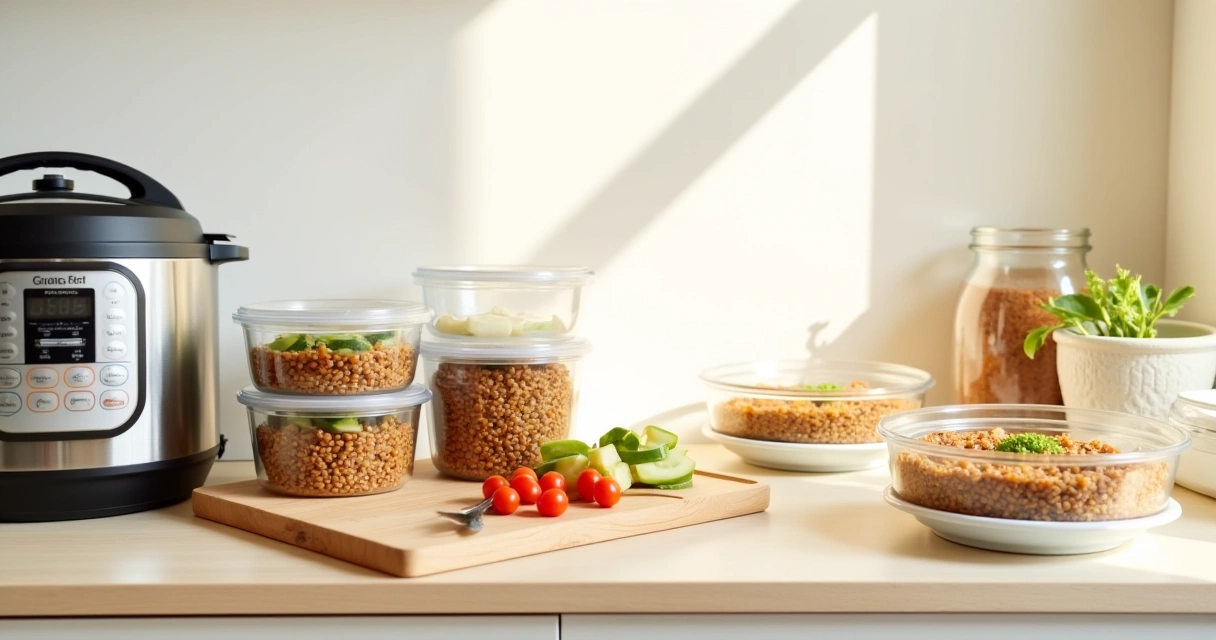
Efficient storage keeps your fridge and pantry organized and speeds up meal prep. Invest in uniform, stackable containers with leak-proof lids—glass is best for heat and transparency. Label everything; it saves time hunting for ingredients. Use prep tools like sharp knives, a good cutting board, and silicone spatulas—these cut down prep time and clean easily.
Making Smart Buying Decisions
Buy quality where it counts. Affordable gadgets might seem tempting but can fall apart quickly. Read reviews focused on durability and performance, not just features. Check for dishwasher-safe labels—easy cleanup is critical for your efficiency. Also, consider your storage space; fewer but better tools beat clutter and multiple mediocrities.
Don’t impulse buy. Wait until you need a specific tool and look for models that balance cost and durability. Remember, a well-chosen gadget lasts years and justifies the investment.
Frequently Asked Questions
How do I know if a cookware is durable?
Look for stamped stainless steel or cast iron. Avoid thin, lightweight pans. Check reviews for longevity reports and opt for brands known for quality.
Are air fryers worth it?
Yes, if you want quick, crispy results with less oil. Choose one with enough capacity for your family and easy-to-clean surfaces.
How should I store my food prep tools?
In a dedicated drawer or basket near your prep station. Keep knives sharp, spatulas handy, and store containers together for fast access.
What’s a good budget blender?
Look for models with at least 700W power, stainless steel blades, and simple controls. Read reviews—sometimes the inexpensive ones work surprisingly well.
Should I buy a separate food processor?
If you do a lot of chopping, blending dough, or shred cheese, a sturdy food processor saves time. Otherwise, a good blender often covers most prep tasks.
How often should I replace my cookware?
When it shows signs of warping, coating degradation, or handles loosen. Well-made cookware can last decades—just treat it right.
Choosing the right cooking tools doesn’t have to be complicated if you focus on reliability, ease of cleaning, and how they fit your cooking style. Spend thoughtfully, prioritize quality, and streamline your kitchen. Your time—and your taste buds—will thank you.